


Hurricanes can wreak havoc on homes, causing widespread damage that extends beyond structural concerns. Power surges, which often occur during and after hurricanes, can be especially harmful to your HVAC system. These sudden spikes in electrical current can damage critical components, leading to malfunctioning or completely inoperable systems. As winter approaches, it’s crucial to address any issues caused by power surges to ensure your home stays warm and comfortable.
In this blog, we’ll guide you through how power surges impact HVAC systems, what immediate steps to take, and why it’s essential to handle repairs before the winter chill sets in. If you suspect your system has been affected, Zen Air Heating & Cooling is here to help with expert HVAC services to get your system back up and running.
How Power Surges Affect HVAC Systems
A power surge is a sudden spike in voltage that can occur during storms, particularly hurricanes. These surges typically happen when power is restored after an outage or when lightning strikes the electrical grid. While brief, power surges can cause serious damage to sensitive electrical equipment, including your HVAC system.
Here’s how power surges can affect your HVAC system:
- Damaged Circuit Boards: The circuit boards in your HVAC system are highly sensitive to voltage fluctuations. A surge can fry these components, leaving your system unable to function properly.
- Compressor Issues: The compressor is one of the most expensive parts of your HVAC system. Power surges can cause compressor failure, which might require a complete replacement.
- Blown Fuses and Tripped Breakers: Surges often blow fuses or trip circuit breakers, which are designed to prevent further damage. While these safety measures protect the system from overloads, frequent surges can weaken the system over time.
- Thermostat Malfunctions: Smart and programmable thermostats are particularly vulnerable to power surges, which can lead to improper temperature regulation or unresponsiveness.
If your HVAC system has experienced a power surge, you might notice strange noises, failure to start, or a sudden increase in energy consumption. Recognizing these signs early can help prevent further damage.
Need assistance with diagnosing or repairing power surge damage? Explore our range of HVAC services for expert help.
Immediate Steps After a Power Surge
If you suspect your HVAC system has been affected by a power surge, acting quickly can prevent further damage and keep your home safe. Here are the immediate steps you should take:
- Turn Off Your HVAC System: The first step is to turn off the system at the thermostat and your breaker box. This helps avoid any additional surges from causing further harm to the system’s electrical components.
- Unplug Other Appliances: Power surges can affect other electronic devices in your home as well. Unplug any electronics or appliances that may have been exposed to the surge to prevent damage to them, too.
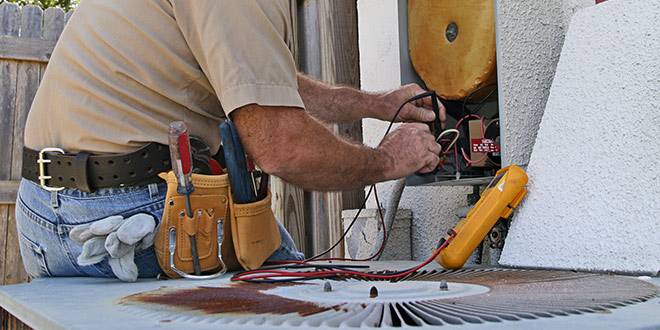
- Inspect for Visible Damage: Take a look at the outdoor HVAC unit and thermostat. Check for any visible damage such as burned wires, unusual smells, or disconnected parts. However, do not attempt to repair anything yourself—electrical damage requires professional attention.
- Call an HVAC Technician: Even if there are no obvious signs of damage, it’s important to have a professional inspect the system. A technician can evaluate whether internal components like the circuit board, compressor, or wiring have been damaged by the surge.
At Zen Air, we offer fast and reliable furnace repair services to handle issues caused by power surges and get your system back up and running. Don’t wait—schedule an inspection to prevent more extensive (and expensive) repairs down the line.
Common HVAC Issues After Power Surges
Power surges can cause various problems with your HVAC system, even if the damage isn’t immediately noticeable. Here are some of the most common HVAC issues that arise after a surge:
- Blown Fuses and Tripped Breakers: Your HVAC system is designed with built-in safeguards, like fuses and breakers, to protect against electrical overloads. After a power surge, these may blow or trip, requiring replacements or resetting. However, if surges occur frequently, it could weaken your system over time.
- Damaged Capacitors: Capacitors help start your HVAC system’s compressor and fan motors. Power surges can burn out these capacitors, preventing the system from functioning correctly. A failed capacitor may cause your system to struggle to turn on or lead to frequent cycling on and off.
- Compressor Failure: The compressor is the heart of your HVAC system, responsible for circulating refrigerant and maintaining proper cooling or heating. Unfortunately, power surges can cause significant damage to compressors, leading to expensive repairs or even requiring a full replacement.
- Thermostat Malfunctions: Power surges can also affect your thermostat, especially if you have a smart or programmable model. A malfunctioning thermostat might fail to regulate the temperature properly, or it could become unresponsive, making it difficult to control your system.
- Electrical Control Damage: HVAC systems have a variety of electrical controls, including relays, switches, and wiring. Power surges can burn out or damage these components, leading to inconsistent operation or complete system failure.
If you’re experiencing any of these issues after a surge, it’s essential to have your system inspected and repaired by a professional. At Zen Air, we specialize in identifying and fixing surge-related problems to ensure your system runs smoothly for winter. Explore our furnace maintenance services to schedule a tune-up before the cold sets in.
Why Post-Hurricane HVAC Repairs Are Essential Before Winter
Addressing HVAC repairs immediately after a hurricane is crucial, especially with winter on the horizon. Ignoring potential damage caused by power surges can lead to bigger issues when your system is needed most during colder months. Here’s why it’s important to take action now:
- Prevent Further Damage: Even minor damage to components like capacitors, wiring, or circuit boards can worsen over time. If left unaddressed, small issues can lead to larger, costlier repairs—or even total system failure—when your HVAC system is working harder to heat your home during the winter.
- Ensure Reliable Heating: Your HVAC system plays a critical role in keeping your home warm and comfortable during cold weather. If your system has been compromised by power surges, it may not perform optimally, leaving your home without adequate heating when temperatures drop.
- Energy Efficiency: A damaged system is likely to run inefficiently, leading to higher energy bills. Components affected by power surges may cause your system to work harder than necessary, wasting energy and driving up your costs. Timely repairs can help restore your system’s efficiency.
- Avoid Unexpected Breakdowns: Winter is not the time for unexpected HVAC failures. Getting your system checked and repaired now ensures it will be in good working condition when you need it most. Emergency breakdowns in the middle of winter can be both uncomfortable and expensive to fix.
Zen Air offers expert HVAC repair services to help ensure your system is ready for the winter season. Our team provides thorough inspections, addressing any power surge damage and ensuring your heating system runs smoothly when temperatures drop. Learn more about our furnace repair services and schedule a repair before the winter rush begins.

Preventing Future Power Surge Damage
While it’s important to repair any existing damage caused by power surges, it’s just as crucial to protect your HVAC system from future surges. Taking preventive steps can save you from costly repairs or replacements down the line. Here’s how you can safeguard your HVAC system:
- Install a Surge Protector for Your HVAC System: An HVAC surge protector is specifically designed to shield your system from power spikes. This device is installed directly into your HVAC system, preventing voltage surges from damaging sensitive components such as the compressor or circuit board. It acts as a first line of defense against unpredictable surges, especially in storm-prone areas.
- Whole-Home Surge Protection: Consider installing a whole-home surge protector to protect all of your home’s electrical systems, not just your HVAC unit. This device is connected to your main electrical panel and helps absorb excess voltage from power surges, ensuring all appliances and systems in your home are protected.
- Regular HVAC Maintenance: Routine maintenance is key to ensuring your HVAC system remains in good working order. During regular check-ups, technicians can inspect the electrical components of your system and ensure everything is functioning properly. Regular maintenance also helps identify potential problems before they turn into bigger, more costly issues. To ensure your system is always protected and maintained, consider joining Zen Air’s Club Zen Maintenance Membership, which offers annual inspections, discounted services, and priority scheduling.
- Unplug During Severe Weather: If severe weather or a hurricane is forecasted, consider turning off your HVAC system and unplugging it to minimize the risk of power surge damage. This simple precaution can help protect your system from unexpected voltage spikes when power is restored.
By taking these proactive measures, you can help extend the life of your HVAC system and avoid costly repairs. For more information on protecting your system from power surges or to schedule a preventive maintenance visit, check out our HVAC services.
When to Consider an HVAC System Upgrade
In some cases, after a severe power surge or significant storm damage, repairing your HVAC system may not be the most cost-effective option. If your system is outdated, has sustained extensive damage, or struggles to keep your home comfortable, it may be time to consider an upgrade. Here’s when upgrading your HVAC system might make sense:
- Frequent Repairs: If your HVAC system requires constant repairs, it might be more economical to invest in a new, reliable system. The cost of frequent fixes can quickly add up, and an upgrade can provide you with better performance and peace of mind.
- Increased Efficiency: Newer HVAC systems are designed to be more energy-efficient. Upgrading to a modern system can significantly reduce your energy consumption and lower your monthly utility bills. This is especially important after a hurricane, when your system may have been overworked or compromised.
- Improved Comfort: An outdated system may struggle to keep your home evenly heated in the winter, especially if it has been damaged by power surges. New systems offer better temperature control, improved air filtration, and quieter operation, providing greater overall comfort.
- Advanced Technology: Today’s HVAC systems come with advanced features, such as smart thermostats, zoning options, and humidity control, all of which can improve comfort and convenience in your home.
- Financing Options: At Zen Air, we understand that upgrading your HVAC system is a significant investment. That’s why we offer flexible financing options to help you manage the cost of installation. You can spread out payments over time while enjoying the benefits of a more efficient and reliable system.
If your HVAC system has sustained significant damage from power surges or is nearing the end of its lifespan, consider upgrading before winter hits. Our team at Zen Air can help you choose the right system for your home and handle the entire installation process with expertise.
Conclusion
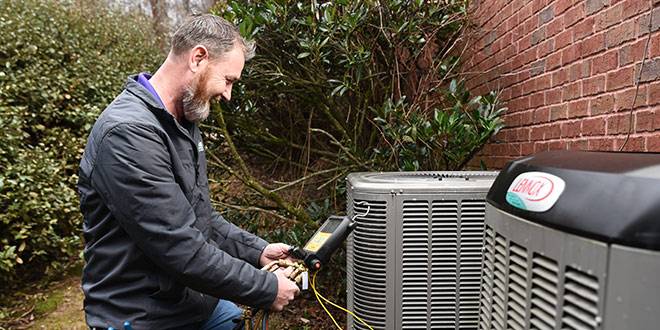
After the damage caused by Hurricane Helene, it’s critical to address the impact of power surges on your HVAC system before winter arrives. From blown fuses and damaged compressors to thermostat malfunctions, power surges can severely affect your system’s performance and reliability. Taking immediate steps, such as turning off the system, inspecting for damage, and scheduling professional repairs, can prevent further issues as temperatures drop.
Preventive measures like installing surge protectors and regular maintenance are key to avoiding future damage. And if your HVAC system is aging or has sustained significant damage, upgrading to a more efficient system might be the best long-term solution. At Zen Air, we offer expert HVAC repair, maintenance, and installation services to keep your home comfortable year-round.
Don’t wait until the cold weather hits—schedule an inspection or repair today to ensure your HVAC system is ready for winter. To learn more about our services or to get in touch, explore our service area or contact us for professional help.