

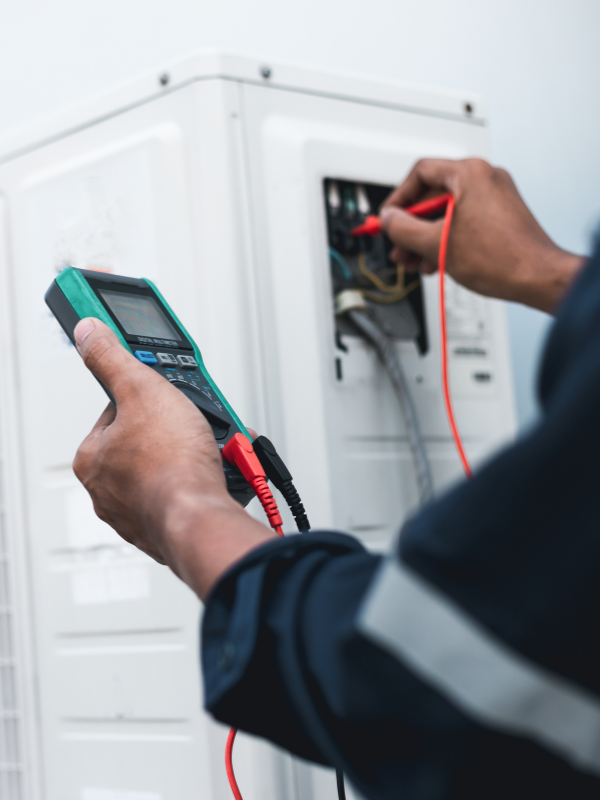
Georgia summers are unforgiving, and the last thing any homeowner wants is an air conditioner failure during peak heat. Unfortunately, many AC systems give warning signs weeks—or even months—before breaking down completely. Catching these issues early can save you from emergency repairs, higher energy bills, and uncomfortable days without cooling.
Here are the most important signs your AC needs repair before the Georgia summer heat arrives.
Weak or Warm Air From Your Vents
If your AC is running but the air coming from the vents feels weak or isn’t cool, something isn’t working correctly. This could be caused by restricted airflow, low refrigerant levels, or compressor issues. Addressing the problem early with professional AC repair can restore cooling performance before outdoor temperatures climb.
Unusual Noises During Operation
Your air conditioner should operate with a consistent, low-level sound. Grinding, banging, rattling, or squealing noises often indicate loose parts, motor issues, or electrical problems. These sounds usually worsen with time and should be inspected before they lead to full system failure.
Rising Energy Bills Without Increased Usage
A sudden increase in your energy bill is often a sign your AC is struggling to operate efficiently. Worn components, dirty coils, or refrigerant issues can force the system to run longer to achieve the same temperature. Timely service can restore efficiency and prevent further energy waste.
Frequent Cycling or Constant Running
If your AC turns on and off frequently or runs nonstop without reaching the set temperature, it may be overheating or dealing with airflow problems. Short cycling puts extra stress on the system and increases the risk of breakdowns during extreme heat.
Poor Airflow or Uneven Cooling
Hot and cold spots throughout your home often signal duct issues, clogged filters, or failing system components. Uneven cooling causes homeowners to lower the thermostat, increasing strain and energy costs. Early diagnosis can prevent comfort issues from worsening during summer.
Excess Humidity Inside the Home
Your AC should remove humidity as it cools. If your home feels sticky or damp, even when temperatures are moderate, your system may not be dehumidifying properly. Drain line issues, dirty coils, or sizing problems can all contribute to poor humidity control.
Water Leaks or Moisture Around the Indoor Unit
Water pooling near your air handler often points to a clogged condensate drain or frozen evaporator coil. Left unaddressed, this can cause water damage and system shutdowns. Early repair helps prevent more serious complications.
Burning or Electrical Smells
Unusual odors coming from your AC—especially burning or electrical smells—should never be ignored. These may indicate wiring problems or overheating components that require immediate professional attention.
Your AC Is Older and Less Reliable
If your air conditioner is more than 10–15 years old, it may be more prone to breakdowns as summer demand increases. Older systems often struggle to keep up with Georgia heat and may need frequent repairs. Planning ahead for service—or evaluating replacement options—can help you avoid unexpected failures.
Why Early AC Repairs Matter in Georgia
Addressing AC issues in spring or early summer helps you avoid emergency calls during peak heat, when systems are under maximum stress and service demand is highest. Early repairs are often simpler, less expensive, and more effective at protecting long-term system performance.
Pairing repairs with seasonal AC maintenance also helps improve reliability and efficiency throughout the summer.
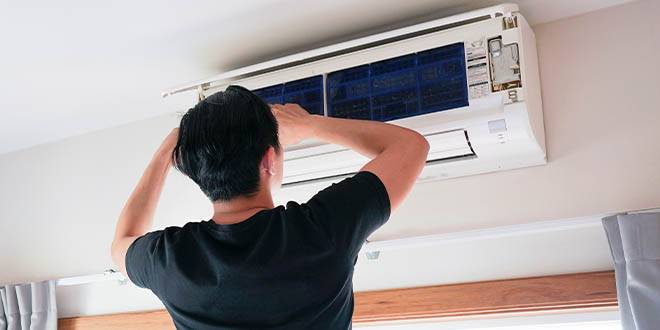
Get Your AC Ready for Summer in Suwanee
Zen Air Heating & Cooling helps Suwanee and North Metro Atlanta homeowners stay ahead of summer AC problems with expert diagnostics and honest repairs. Our licensed technicians focus on preventing breakdowns and restoring comfort before extreme heat hits.
If your AC is showing any of these warning signs, don’t wait for a heatwave. Contact us today to schedule AC repair and enjoy reliable cooling all summer long.